How to Earn Air Miles From Rent in Singapore
Learn how to earn air miles from rent in Singapore. Discover how CoHome SG and Rently can help renters turn monthly rent into miles, rewards and future flights!
Finding a place to live in Singapore is no longer just about finding the cheapest room. Today's renters want convenience, flexibility, transparency, and a hassle-free living experience.
This is one of the main reasons why co-living has become increasingly popular among students, young professionals, expatriates, remote workers, and even Singaporeans waiting for their BTO flats to be completed.
If you are considering renting a room in Singapore, here are the biggest benefits of co-living and why more people are choosing providers like CoHome SG.
Traditional rentals often require tenants to buy furniture or pay extra for furnished units.
A typical setup may include:
These expenses can easily add up to hundreds or even thousands of dollars.
With co-living, everything is already prepared before you move in. At CoHome SG, rooms come fully furnished with essential furniture so you can settle in immediately without additional purchases.
This is especially useful for international students, expats, and professionals relocating to Singapore.
One of the most frustrating parts of traditional renting is managing multiple monthly bills.
You may need to pay separately for:
Many renters underestimate these expenses when comparing rental prices.
Co-living simplifies budgeting because utilities and Wi-Fi are often bundled into a single monthly payment. This makes monthly housing costs more predictable and easier to manage.
At CoHome SG, utilities are included up to a reasonable usage cap, helping tenants avoid surprise bills at the end of the month.
Not everyone wants to commit to a two-year lease.
Many people today are:
Traditional rental agreements are often too rigid for these situations.
Co-living offers significantly more flexibility, allowing renters to choose lease durations that better match their plans.
This flexibility is one of the biggest reasons many tenants choose CoHome SG over conventional rental arrangements.
Moving into a traditional rental can take weeks.
You may need to:
Co-living removes these steps entirely.
Most co-living rooms are move-in ready from day one. Simply bring your luggage and personal belongings. Everything else is already prepared.
This convenience is particularly valuable for people arriving in Singapore for work or studies.
Renting an entire condominium or apartment in Singapore can be extremely expensive.
In addition to rent, tenants often face:
Co-living allows residents to enjoy desirable locations while paying only for the private room they need. Shared facilities such as kitchens, living rooms, and laundry areas help reduce overall living costs.
For many renters, this provides significantly better value compared to leasing an entire property.
Traditional room rentals often depend heavily on individual landlords.
The experience can vary significantly depending on:
With professionally managed co-living spaces, tenants have a dedicated operator managing maintenance and support requests.
At CoHome SG, properties are professionally managed, creating a more consistent rental experience compared to typical landlord-managed rentals.
Many renters prefer privacy and independence.
A common concern with traditional room rentals is having landlords living in the same property.
This can sometimes create restrictions around:
CoHome SG offers professionally managed co-living homes without landlords staying on-site, allowing tenants to enjoy greater privacy and freedom.
For many professionals and expats, this creates a more comfortable living environment.
Location remains one of the most important factors when choosing accommodation in Singapore.
Living near MRT stations can significantly reduce commuting time and transportation costs.
Co-living allows tenants to access desirable neighbourhoods without paying the full cost of renting an entire apartment in those locations.
CoHome SG offers rooms across multiple locations in Singapore, helping renters find accommodation that matches both their budget and lifestyle needs.
Housing involves much more than paying rent.
Traditional rentals often require tenants to manage:
Co-living centralises many of these responsibilities under a single operator.
Instead of spending time managing household logistics, tenants can focus on work, studies, travel, or personal goals.
This convenience is one of the most underrated benefits of co-living.
Co-living works particularly well for people going through life transitions.
It is an excellent option for:
Because co-living combines affordability, convenience, flexibility, and professional management, it offers a practical solution for people who need housing without the long-term commitments of traditional renting.
Not all co-living operators are the same.
CoHome SG focuses on making renting simpler through:
Whether you are relocating to Singapore, starting a new job, studying, or waiting for your BTO flat, CoHome SG provides a comfortable and convenient alternative to traditional rentals.
The best rental experience is not always the one with the lowest advertised rent. It is the one that provides the most value, convenience, and peace of mind.
Co-living has become one of the smartest housing choices in Singapore because it simplifies the rental process while giving tenants everything they need from day one.
If you are looking for a fully furnished room with flexible leasing and all-inclusive living, browse available rooms at CoHome SG and discover a simpler way to rent in Singapore.

Learn how to earn air miles from rent in Singapore. Discover how CoHome SG and Rently can help renters turn monthly rent into miles, rewards and future flights!
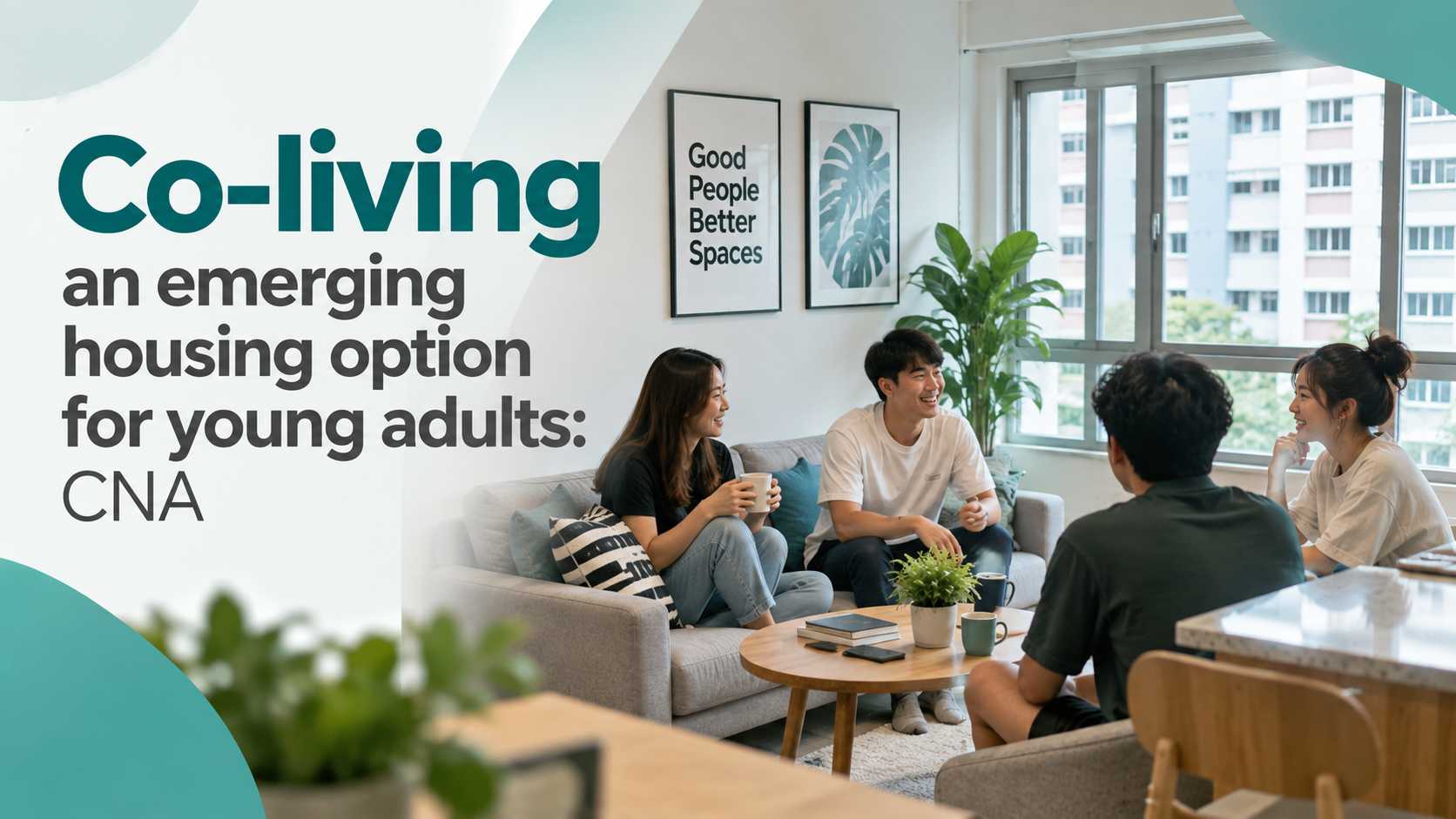
According to a recent news report by CNA, co-living is emerging as a new housing option for young adults in Singapore, offering greater flexibility and independence before home ownership.

According to the Urban Redevelopment Authority (URA), private residential properties (condos, apartments, landed homes) require a minimum continuous lease of 3 consecutive months. Learn more in this article.