How to Earn Air Miles From Rent in Singapore
Learn how to earn air miles from rent in Singapore. Discover how CoHome SG and Rently can help renters turn monthly rent into miles, rewards and future flights!
Moving to Singapore for university is an exciting milestone, but finding the right place to live can feel overwhelming. Between lectures, deadlines, and trying to build a new social circle, the last thing you need is housing stress. Whether you're starting at NUS, NTU, SMU, or one of Singapore's many other excellent institutions, choosing where to live is one of the biggest decisions you'll make as an international student.
Let's be honest – traditional student accommodation in Singapore isn't always straightforward. University dorms fill up quickly, private rentals can be expensive, and navigating lease agreements while juggling coursework is enough to make anyone's head spin. The good news? Co-living spaces like CoHome SG are changing the game for students across Singapore, offering flexible, fully-furnished rooms without the typical headaches.
Before we dive into the details, it's worth understanding what's actually available. Singapore's student housing market primarily falls into three categories: on-campus accommodation, private rentals, and co-living spaces. Each has its pros and cons, but the landscape has shifted dramatically in recent years.
University halls of residence remain the classic choice for many students, but they come with limitations. Application deadlines are strict, room types are often basic, and once you're in, flexibility becomes a luxury. Private rentals offer more freedom but require navigating deposits, furnishing, utilities, and maintenance – all of which eat into your student budget and study time.
Co-living has emerged as the sweet spot for students who want convenience without sacrificing quality. At CoHome SG, we've designed our spaces specifically with students in mind. Think of it as all the benefits of on-campus living (community, convenience, everything taken care of) without the restrictions. You get a private bedroom, high-speed Wi-Fi, utilities included, regular housekeeping, and a ready-made community of peers.
What really sets co-living apart is the flexibility. Traditional leases typically lock you into 12-24 month commitments, but student life rarely fits neatly into those boxes. What happens when you need to leave for an exchange semester? Or when your program extends unexpectedly? Co-living agreements typically offer month-to-month flexibility that adapts to your academic calendar.
Singapore might be small, but getting around efficiently can make a huge difference to your student experience. The MRT system is excellent, but minimizing commute time still matters. Nobody wants to spend an hour each way traveling between campus and accommodation, especially when you've got assignments due.
For NUS students, areas like Clementi, Buona Vista, and Outram Park offer reasonable access to Kent Ridge. NTU students benefit from Jurong East and Pioneer MRT stations being right on campus. SMU students are ideally positioned in the CBD itself, with Chinatown, Outram, and Maxwell all within walking distance.
Budgeting for accommodation in Singapore involves more than just rent. There's the security deposit (usually two months' rent), utility deposits, internet setup, furniture purchases, cleaning supplies, and the inevitable "small" expenses that add up quickly. Before you know it, your housing costs have blown past your initial estimates.
With co-living, what you see is what you pay. Your monthly rate includes rent, high-speed internet, utilities, regular housekeeping, and maintenance support. No surprise bills, no deposit disputes, no scrambling to replace a broken appliance. For students managing tight budgets, this predictability is invaluable.
One of the biggest questions students ask is whether co-living offers enough privacy. The answer is yes – you get a private bedroom with its own lock, while sharing common spaces like kitchens and living areas. Think of it as having flatmates without the drama of finding them, interviewing them, or dealing with unpaid bills.
Community-wise, co-living spaces often host regular events – from weekend brunches to study sessions to exploring Singapore's food scene together. For international students especially, this built-in social network can make settling into life in Singapore so much smoother.
Traditional room setups involve multiple trips to IKEA, assembling furniture, and figuring out which lightbulb fits where. Co-living eliminates all of that. Rooms come fully furnished with a bed, desk, wardrobe, and basic necessities. Just bring your suitcase and you're ready to go.
We've also streamlined the booking process specifically for students. Unlike traditional landlords who might be inflexible about lease terms, we understand academic calendars. Whether you need accommodation for a semester, a year, or something in between, we can usually accommodate your timeline.
Not all accommodation is created equal when it comes to supporting academic success. Many students struggle with inadequate study spaces in traditional rentals, leading to late nights in campus libraries or coffee shops. Co-living properties are designed with students in mind, featuring designated study areas, quiet zones, and high-speed internet that won't crash during exam season.
Our common areas include comfortable seating arrangements that work for both solo study sessions and group project meetings. It's about creating spaces where academic success feels supported, not hindered, by your living situation.
Safety is naturally a top concern for both students and parents. Our properties feature secure access systems, CCTV monitoring in common areas, and 24/7 emergency support. Each resident gets a key fob for building access, and visitors must be registered at reception. It's peace of mind that lets everyone focus on what matters – your studies and making the most of your time in Singapore.
Additionally, our properties are located in established neighborhoods with easy access to hospitals, police stations, and convenience stores. You're never far from help if you need it, but you're also immersed in authentic Singaporean neighborhood life.
When comparing accommodation options, it's worth thinking beyond the monthly rent price. Factor in your time, stress levels, deposit costs, and the quality of life you're buying. Co-living typically costs less than you might expect when you account for everything that's included, and the value of your time and energy shouldn't be underestimated.
For students serious about making the most of their time in Singapore, accommodation should enable rather than hinder your experience. It should provide a comfortable base while freeing you up to focus on studies, friendships, and exploring one of the world's most exciting cities.

Learn how to earn air miles from rent in Singapore. Discover how CoHome SG and Rently can help renters turn monthly rent into miles, rewards and future flights!
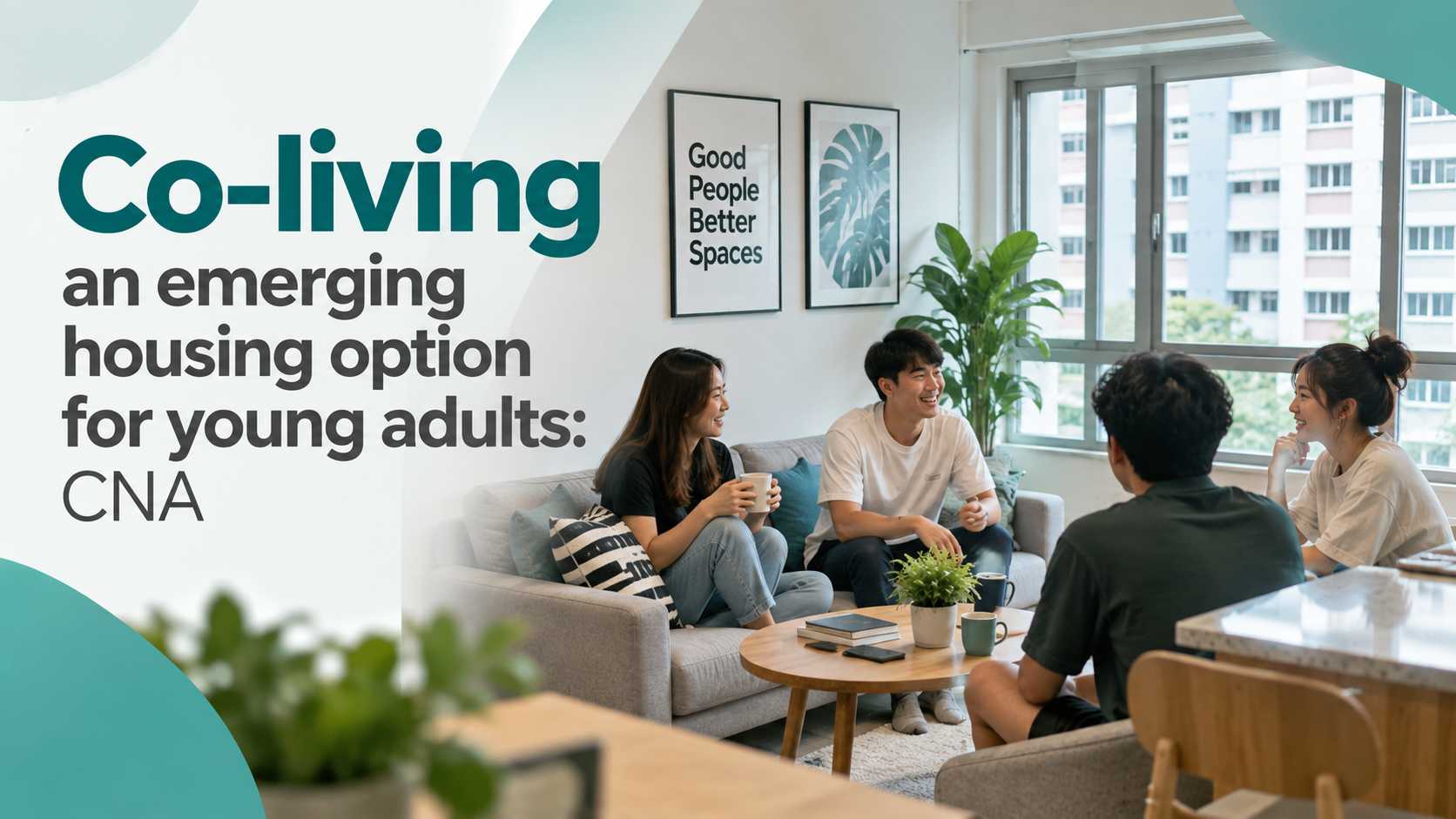
According to a recent news report by CNA, co-living is emerging as a new housing option for young adults in Singapore, offering greater flexibility and independence before home ownership.

According to the Urban Redevelopment Authority (URA), private residential properties (condos, apartments, landed homes) require a minimum continuous lease of 3 consecutive months. Learn more in this article.