How to Earn Air Miles From Rent in Singapore
Learn how to earn air miles from rent in Singapore. Discover how CoHome SG and Rently can help renters turn monthly rent into miles, rewards and future flights!
Students flock to Singapore for its world‑class universities, but competition for on‑campus rooms is fierce. Many institutions have affordable dormitories, yet places fill quickly and strict rules can limit flexibility. Off‑campus rentals —whether HDB flats or private condos — exist, but prices range from S$2,500 to S$10,000 for an entire unit. Serviced apartments provide comfort and flexible leases, but they still cost S$2,500–6,000 per month. With limited campus housing and pricey alternatives, students need another option. Enter co‑living.
Finding student accommodation in Singapore can be challenging. On‑campus housing is typically the first choice due to affordability and proximity to classes, but spaces are limited and require early application. Off‑campus rentals offer freedom but come with high rents and separate utility bills. This gap between demand and supply has opened the door for co‑living spaces — shared homes designed for convenience and community.
Co‑living blends private bedrooms with shared common areas. According to University Living, co‑living for students lets residents share kitchens and lounges while enjoying their own room, encouraging friendships and collaboration. International students often choose co‑living because it offers affordable, flexible accommodation near transport links. By splitting utilities, internet and other expenses, co‑living becomes cheaper than traditional apartments or university halls.
The benefits go beyond cost:
With these advantages, co‑living meets the needs of modern students who value flexibility, convenience and community.
Traditional student housing focuses on academic needs and provides study areas and campus resources, but rarely matches the lifestyle amenities of modern co‑living. Co‑living caters to a broader demographic — students, young professionals and digital nomads — creating a diverse community. Leases are more flexible, and pricing is often all‑inclusive. For students who miss out on on‑campus rooms or simply want more independence, co‑living combines the best of both worlds: an affordable place to live and a supportive social network.
CoHome SG is Singapore’s trusted co‑living community. It takes the benefits of co‑living and adds perks that make life easier:
Curious about what co‑living is or how it compares to renting in Singapore? Check out CoHome’s explanation of co‑living and their complete guide to co‑living in Singapore for deeper dives. You can also explore the coliving perks page to see all the benefits in detail. If you’re still evaluating housing options, CoHome’s ultimate guide to student accommodation provides tips on dorms, HDB flats and more.
Campus housing may be scarce, but that doesn’t mean students have to settle for expensive flats or isolated rooms. Co‑living offers a smart alternative — combining affordability, flexibility and community. With CoHome SG, students enjoy fully furnished rooms, prime locations and a built‑in support network. Whether you’re coming to Singapore for a semester or a full degree, co‑living can make your stay comfortable and memorable.
Is co‑living cheaper than renting an
apartment?
Because utilities, Wi‑Fi and cleaning are shared among residents,
co‑living often costs less than renting a private
apartment. The all‑inclusive monthly fee also
simplifies budgeting.
Can I get my own room in a co‑living space?
Yes. Most co‑living operators provide private bedrooms — often with
en‑suite bathrooms — while communal areas like kitchens and lounges are
shared.
What if I only need a room for a few months?
Co‑living leases are typically
flexible, allowing
students to rent for a semester, a year or even a few weeks.
Does co‑living offer study spaces and Wi‑Fi?
Many co‑living properties are designed with students in mind, providing
study areas, meeting rooms and high‑speed internet as part of the
rent.

Learn how to earn air miles from rent in Singapore. Discover how CoHome SG and Rently can help renters turn monthly rent into miles, rewards and future flights!
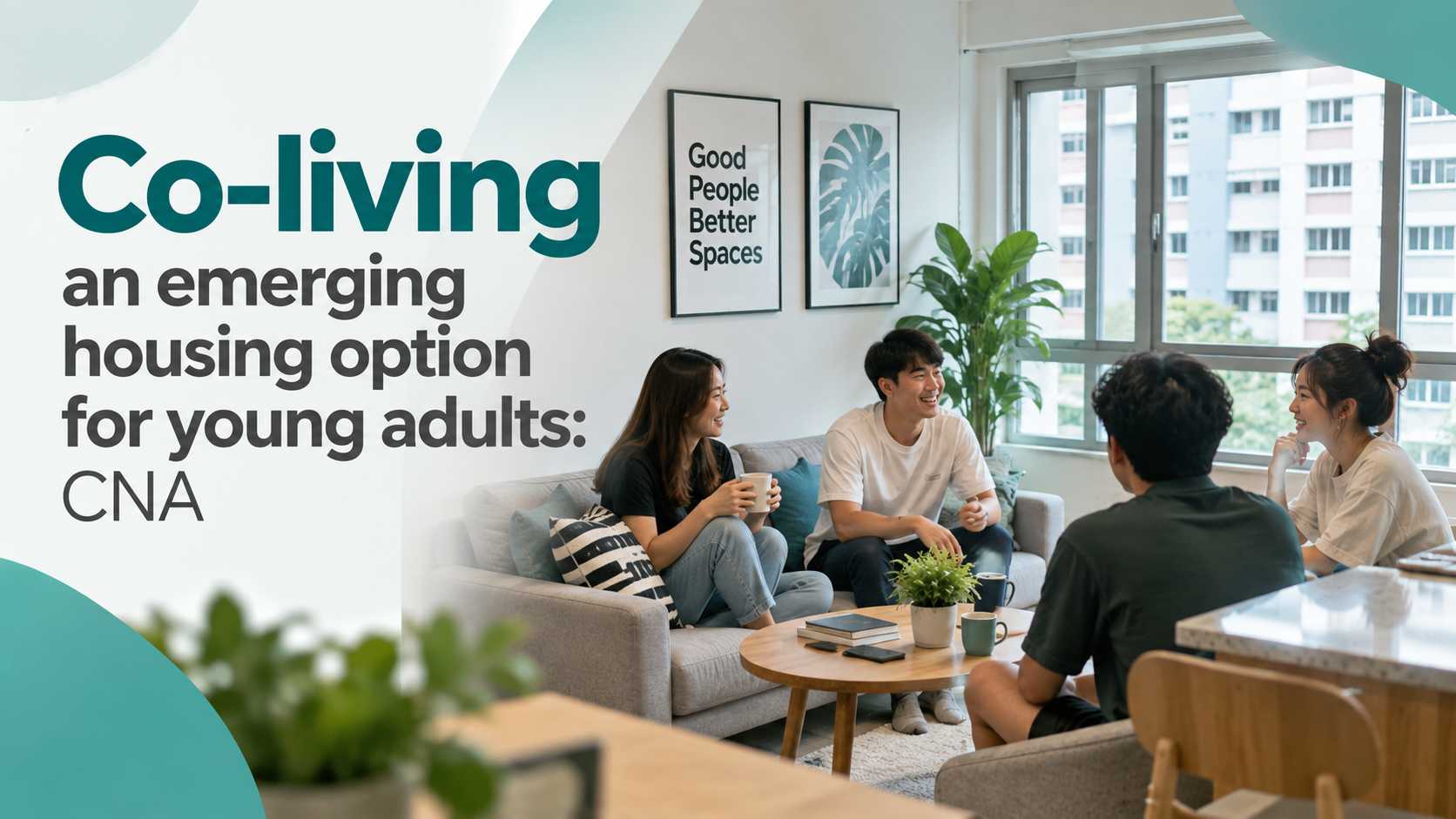
According to a recent news report by CNA, co-living is emerging as a new housing option for young adults in Singapore, offering greater flexibility and independence before home ownership.

According to the Urban Redevelopment Authority (URA), private residential properties (condos, apartments, landed homes) require a minimum continuous lease of 3 consecutive months. Learn more in this article.