How to Earn Air Miles From Rent in Singapore
Learn how to earn air miles from rent in Singapore. Discover how CoHome SG and Rently can help renters turn monthly rent into miles, rewards and future flights!
Renting in Singapore can feel expensive fast. Between monthly rent, furniture, utilities, Wi-Fi, deposits, cleaning supplies and commute costs, the “real” price of a room is often higher than what you first see online.
That is where co-living comes in. A good co-living setup helps you reduce upfront costs, avoid surprise bills, and move into a ready-to-live space without paying for every little thing yourself.
Co-living in Singapore is a modern rental arrangement where you rent a private room within a shared, professionally managed home. You usually get your own bedroom, while common areas such as the kitchen, living space, bathroom and laundry area are shared with other residents.
Unlike traditional renting, co-living is designed to be more convenient. Many homes come fully furnished, with utilities, Wi-Fi, air-conditioning servicing and common-area cleaning already arranged.
For renters who want a smoother move-in experience, CoHome SG offers fully furnished co-living rooms in Singapore across locations such as Katong, Geylang, Hillview, Upper East Coast, Yio Chu Kang and Upper Thomson.
One of the biggest hidden costs of renting is furniture.
If you rent an unfurnished room or apartment, you may need to buy a bed, mattress, desk, chair, wardrobe, curtains, fan, lamps, storage boxes, kitchen items and cleaning tools. Even if you buy budget options, these costs can easily add up.
With co-living, the room is usually move-in ready. For example, CoHome SG rooms are listed with essentials such as a bed, desk, chair, storage space, Wi-Fi and air-conditioning, depending on the room listing. That means you can move in with your luggage instead of spending hundreds or thousands setting up the space from scratch.
For students, interns, expats and young professionals, this is especially useful because you may not want to buy bulky furniture for a stay that could be temporary.
Traditional renting can look affordable at first, but the monthly bill may not include electricity, water, Wi-Fi, air-conditioning servicing or cleaning. Once those are added, the final cost can feel very different.
Co-living makes budgeting easier because many recurring costs are bundled into the rent or clearly stated upfront. CoHome SG, for example, highlights all-inclusive rent with utilities caps, Wi-Fi, regular aircon servicing and common-area cleaning across its rental experience.
This helps you avoid the common problem of choosing a “cheap” room, then getting surprised by extra bills later.
Moving into a rental home can be cash-heavy. You may need to pay a security deposit, first month’s rent, furniture costs, moving costs, utility setup fees and sometimes agent-related costs.
Co-living can reduce that pressure because the room is already prepared. You do not need to pay movers for large furniture, buy appliances, or set up the whole home yourself.
CoHome SG also highlights more flexible rental payment options through Rently, including the ability for eligible tenants to spread deposit costs over monthly payments and align rent payments closer to salary dates. This can help reduce the upfront cash burden when moving into a new place.
When you rent traditionally, small maintenance tasks can become annoying and expensive. Aircon servicing, repairs, shared-space cleaning and general upkeep may fall on you, your housemates or the landlord.
In co-living, these services are usually managed more systematically. That saves money, but it also saves time.
For example, CoHome SG room listings commonly include scheduled air-conditioning servicing, high-speed Wi-Fi and weekly cleaning of shared spaces. That means you are not constantly coordinating cleaners, chasing housemates for payment, or wondering who should fix shared-home issues.
If you are comparing homes, use this room viewing checklist for Singapore to check whether cleaning, utilities, aircon servicing and maintenance are actually included before you commit.
Co-living gives you more room-type flexibility. Instead of renting an entire apartment, you can choose a room size that matches your budget and lifestyle.
For example, someone who wants to save more may choose a single room in a shared apartment. Someone who wants more comfort may choose a premium large room or master room. This lets you control your monthly spend without giving up access to shared facilities.
You can browse CoHome SG rooms by location, budget and room type to compare what fits your monthly rental range.
Rent is not the only cost that matters. Commute time and transport costs also affect your monthly budget.
A slightly cheaper room may not be a good deal if it adds long daily travel, more ride-hailing trips, or inconvenient transfers. On the other hand, a well-located co-living room can help you spend less on transport and save time every week.
For example, renters who want an East-side lifestyle can consider options around Katong, such as 262A Tanjong Katong Room 3, while those looking around Hillview can compare rooms like Hillview Green #07-04 Room 2. If you prefer North-East or quieter residential areas, options such as Serenity Park #04-06 Room 4 may be worth checking.
The key is to compare rent together with commute, food options, MRT access, bus routes and daily errands.
This is a major benefit for expats, exchange students, interns and digital nomads.
If you are only staying in Singapore for a few months or one to two years, buying furniture and appliances may not make sense. You may later need to sell everything, arrange disposal, or pay for moving.
Co-living avoids this problem. You get a functional home without committing to permanent household items.
For people relocating to Singapore, CoHome SG’s digital nomads and expats accommodation options are especially practical because the setup is flexible, furnished and easier to settle into.
A bad rental choice can be expensive.
Unexpected utility bills, unclear house rules, high maintenance costs, poor Wi-Fi, missing furniture, landlord issues or difficult housemate arrangements can all cost you money and stress.
Professionally managed co-living helps reduce this risk because the rental terms, room inclusions and support structure are usually clearer. CoHome SG also highlights transparent pricing, no landlords staying on-site, flexible leases and professionally managed properties.
For a deeper comparison, you can read Co-Living vs Traditional Renting in Singapore to understand how the cost structure differs.
Co-living is not only about cheaper rent. It is also about reducing the time spent managing a home.
You do not need to spend weekends shopping for furniture, setting up Wi-Fi, finding an aircon servicing company, buying cleaning supplies, interviewing housemates or handling every household issue yourself.
For busy professionals, students and newcomers to Singapore, that convenience has real value. A smoother living setup means you can focus more on work, study, settling in and enjoying the city.
If you are a student, CoHome SG also has a guide on student accommodation in Singapore, which is useful if you are comparing co-living against hostels, dorms and private rooms.
Not always.
A bare-bones room in an older flat may have a lower advertised rent than a co-living room. But that does not automatically make it cheaper overall.
To compare properly, look at the full monthly cost:
Once you include these, co-living can be more cost-effective, especially if you value convenience, transparency and flexibility.
Before signing, ask these questions:
If the answers are clear, you can budget with more confidence. If the answers are vague, the room may cost more than expected later.
If you want to save money without making your living situation feel bare or inconvenient, CoHome SG is built around that balance.
You get a private, fully furnished room in a professionally managed shared home, with useful inclusions such as Wi-Fi, utilities caps, common-area cleaning and flexible lease options. Instead of dealing with everything yourself, you can move into a home that is already set up for daily life.
For renters who want transparent pricing, convenient locations and less hassle, CoHome SG is a practical way to enjoy co-living in Singapore while keeping your budget under control.
Co-living in Singapore can save you money by reducing upfront costs, bundling everyday expenses, cutting furniture purchases, simplifying maintenance and helping you avoid rental surprises.
The cheapest room is not always the best-value room. The better question is: what does your rent actually include?
With the right co-living setup, you can spend less time managing housing costs and more time actually living comfortably in Singapore.
Yes, co-living is usually cheaper than renting an entire apartment because you rent a private room while sharing common areas. You also avoid many setup costs such as furniture, Wi-Fi installation and home essentials.
Depending on the provider and listing, co-living rent may include furniture, Wi-Fi, utilities, air-conditioning servicing, common-area cleaning and access to shared facilities. Always check the exact inclusions before signing.
Yes. Most co-living rooms are fully furnished, so you do not need to buy a bed, desk, chair, wardrobe or basic storage. This is especially useful for short-term renters, students and expats.
Yes. Co-living is popular with expats because it offers flexible leases, furnished rooms and easier move-in arrangements. It removes much of the hassle of setting up a new home from scratch.
Yes. Students can benefit from lower upfront costs, furnished rooms, Wi-Fi, shared facilities and flexible rental arrangements. It can be easier than managing a full apartment lease.
Compare the total cost, not just the rent. Look at utilities, Wi-Fi, cleaning, aircon servicing, furniture, commute, lease flexibility and deposit requirements. A slightly higher rent may be better value if more essentials are included.
You can browse CoHome SG’s available rooms across different Singapore neighbourhoods, including Katong, Geylang, Hillview, Upper East Coast, Yio Chu Kang and Upper Thomson.

Learn how to earn air miles from rent in Singapore. Discover how CoHome SG and Rently can help renters turn monthly rent into miles, rewards and future flights!
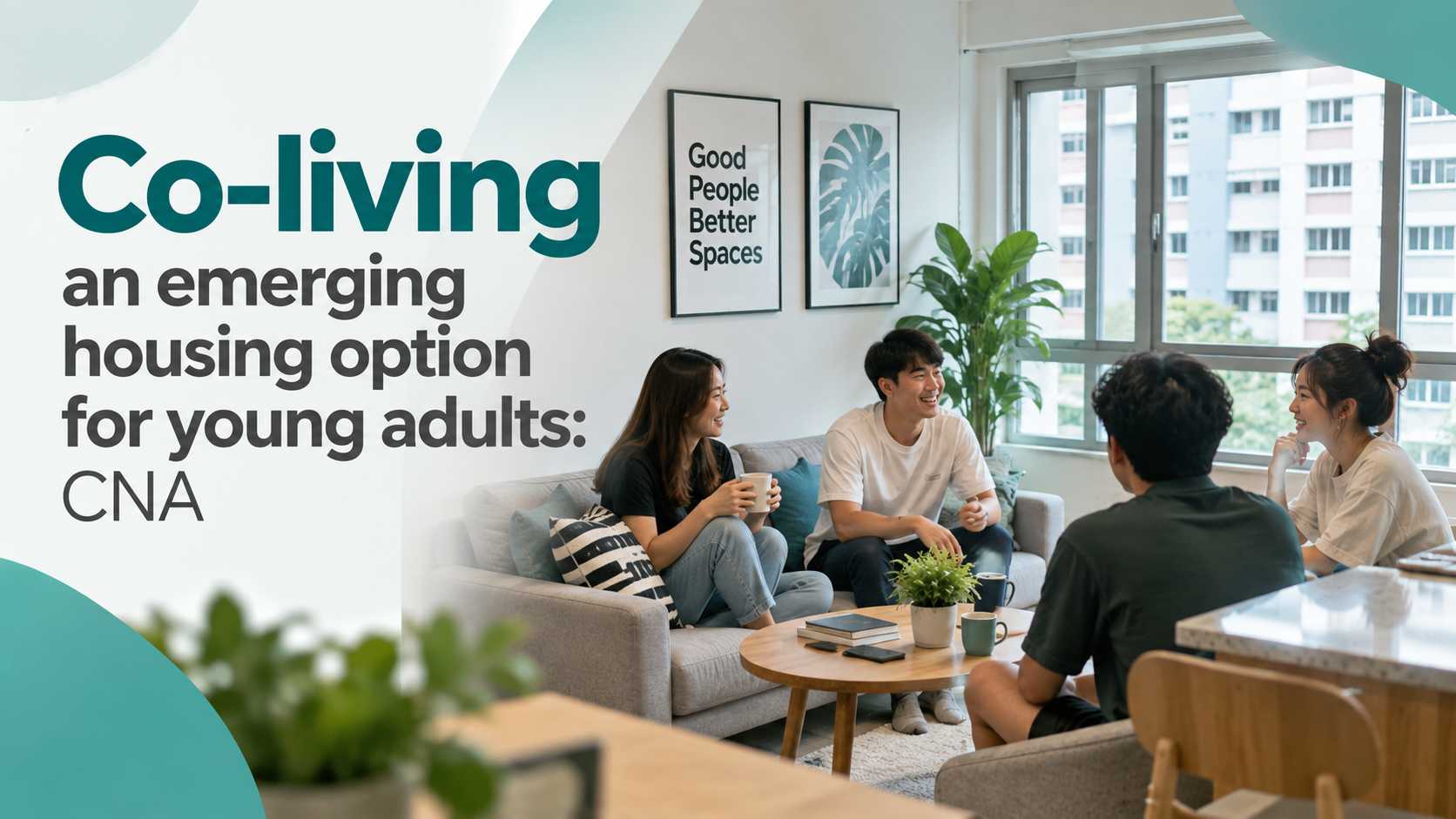
According to a recent news report by CNA, co-living is emerging as a new housing option for young adults in Singapore, offering greater flexibility and independence before home ownership.

According to the Urban Redevelopment Authority (URA), private residential properties (condos, apartments, landed homes) require a minimum continuous lease of 3 consecutive months. Learn more in this article.